Bicol, Philippines · Women-Led · Climate-Resilient

BABAYI

Building a women-led weaving ecosystem that transforms climate vulnerability into economic resilience.

Scroll

Localized Value Chain

From fiber to finished product — keeping economic value within Bicol communities.

Climate Resilient

Flexible livelihoods that continue functioning even during typhoons and floods.

Women-Led

Centering women's labor and leadership across the entire production ecosystem.

Aid to Agency

Shifting communities from disaster relief dependence to locally driven recovery.

The Challenge

Bicol faces interconnected crises that traditional aid cannot solve.

Climate Vulnerability

Recurring typhoons and floods destabilize agricultural income, leaving communities in perpetual recovery mode. Traditional livelihoods are no longer viable.

Undervalued Women's Labor

Women’s fiber processing and weaving work generates minimal income. Skills are devalued, labor is often invisible, and economic power remains concentrated elsewhere.

Low Local Value Capture

Bicol produces 33.9% of the Philippines' abaca but captures only 1% of global value. Raw materials are exported; profit flows outward.

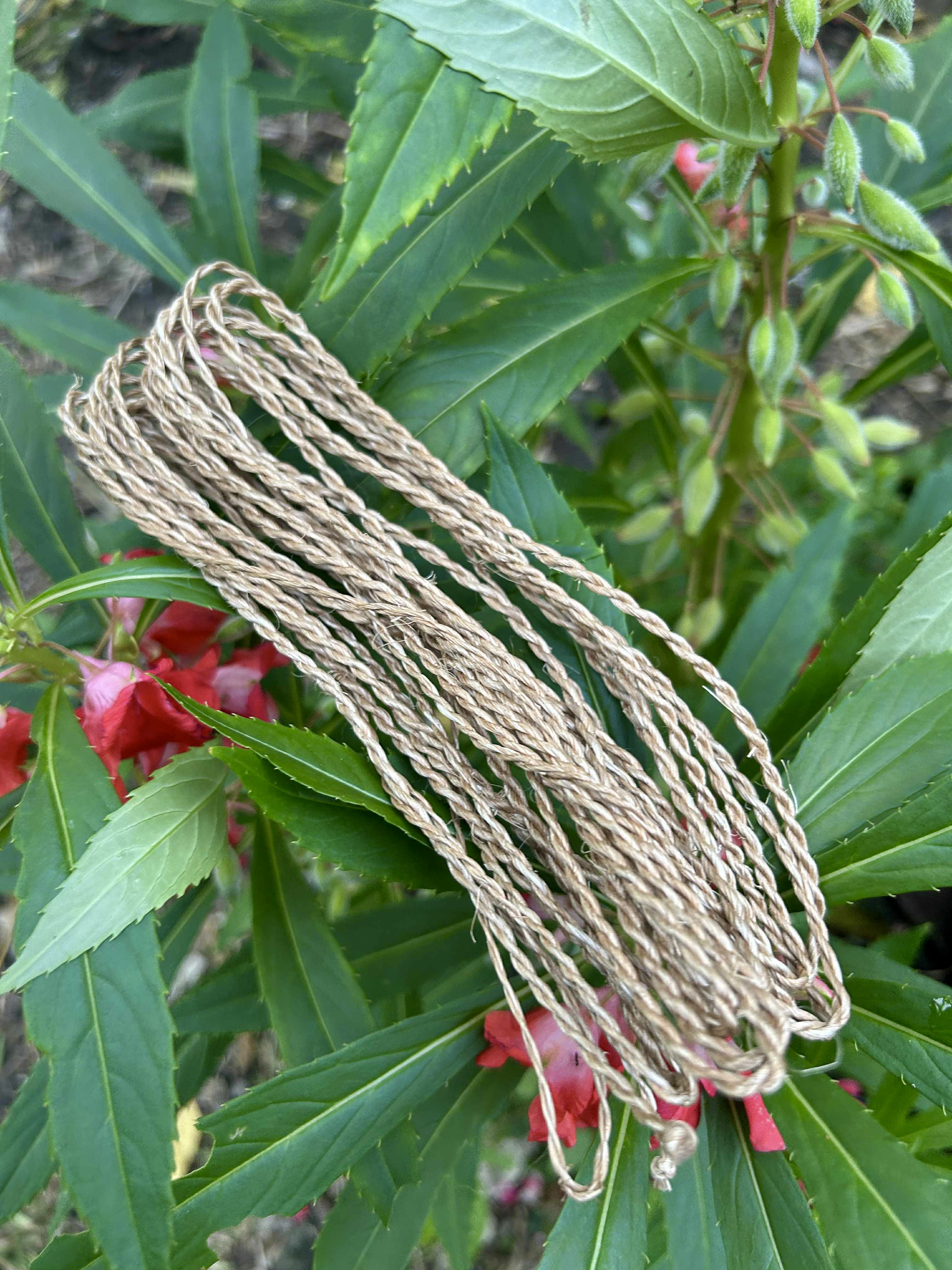
Handmade Abaca Strings

From Crisis to System

Babayi was shaped by our experience as disaster responders working alongside communities through repeated typhoons and recovery efforts. We saw firsthand that while relief is essential, it cannot build long-term resilience. Communities need economic systems that can withstand shocks.

"This is not charity. It is a viable business model that proves profitability and community welfare can coexist."

We built a women-led weaving ecosystem that addresses climate vulnerability, undervalued labor, and extractive economic structures that drain local wealth. By generating revenue from purpose-driven consumers and ethical partners, the model sustains livelihoods while reinvesting in disaster preparedness and psychosocial support for children.
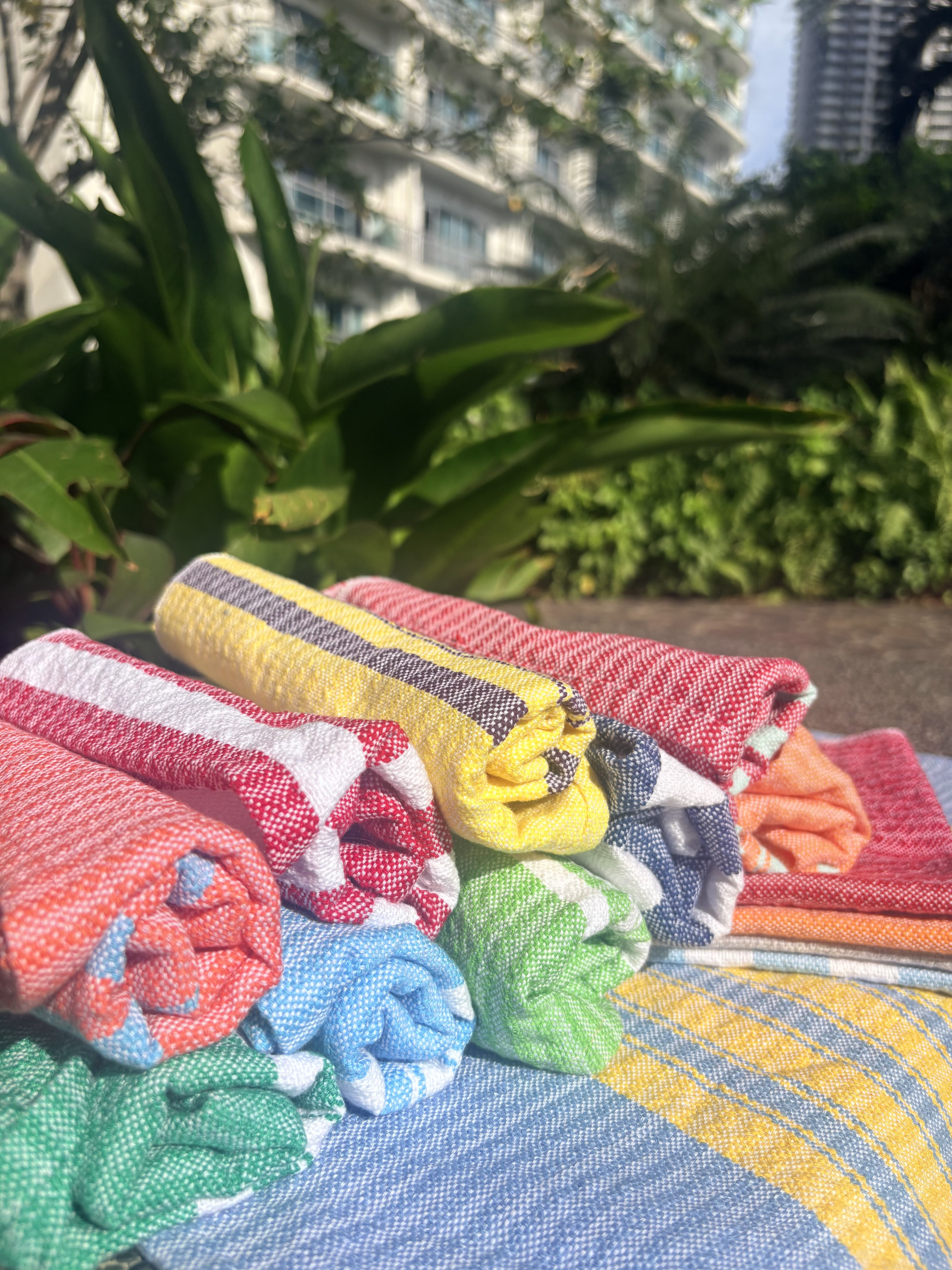
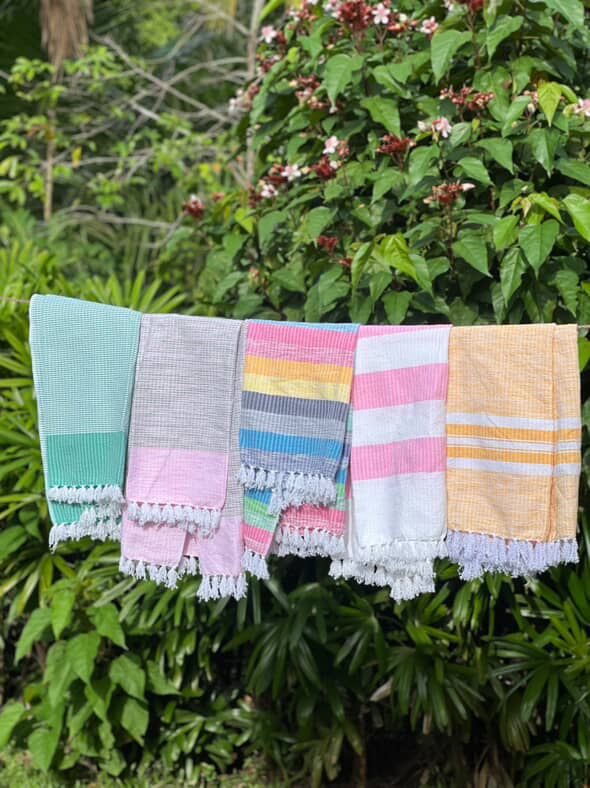
Handwoven With Purpose

Market-competitive products that carry measurable impact.

Measured Impact

Revenue from products sustains operations and funds social programs — disaster preparedness training, psychosocial support for children, and continued artisan skill development.

50+
Women Empowered
1000+
DISASTER-AFFECTED KIDS SUPPORTED
1000+
Products Created
100%
Natural Materials

From Fiber to Market

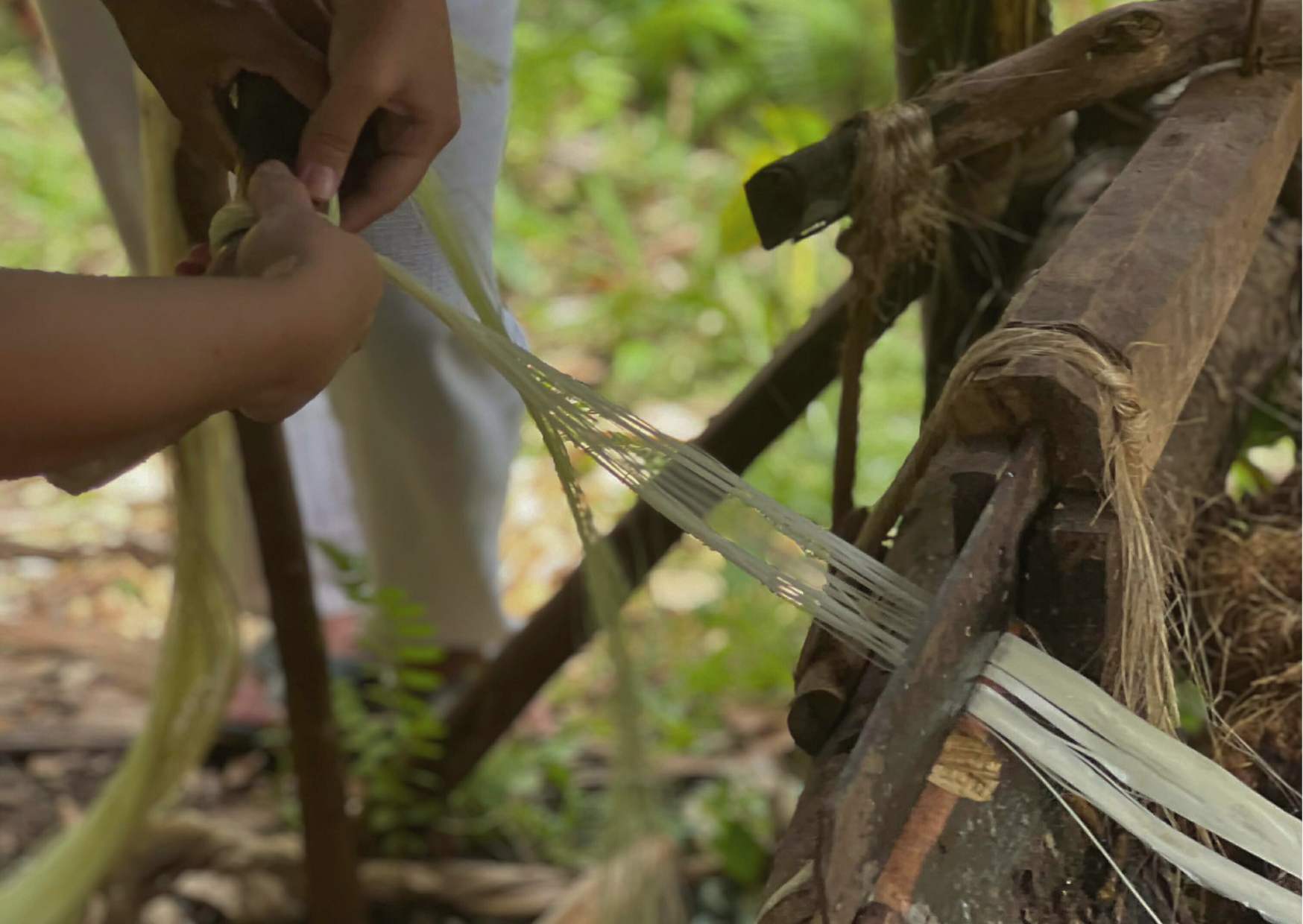
We are organizing abaca farmers into their own association to strengthen their collective capacity and move beyond selling raw fiber into value-added production.

Farmers are trained in fiber processing, while women handloom weavers transform these materials, alongside upcycled cotton threads, into woven products. Home-based artisans handle sewing and finishing, creating flexible work that can continue even during climate disruptions.

No factories. No middlemen. Direct partnerships, fair compensation, and revenue reinvested to build long-term resilience.

Natural Abaca Fibers
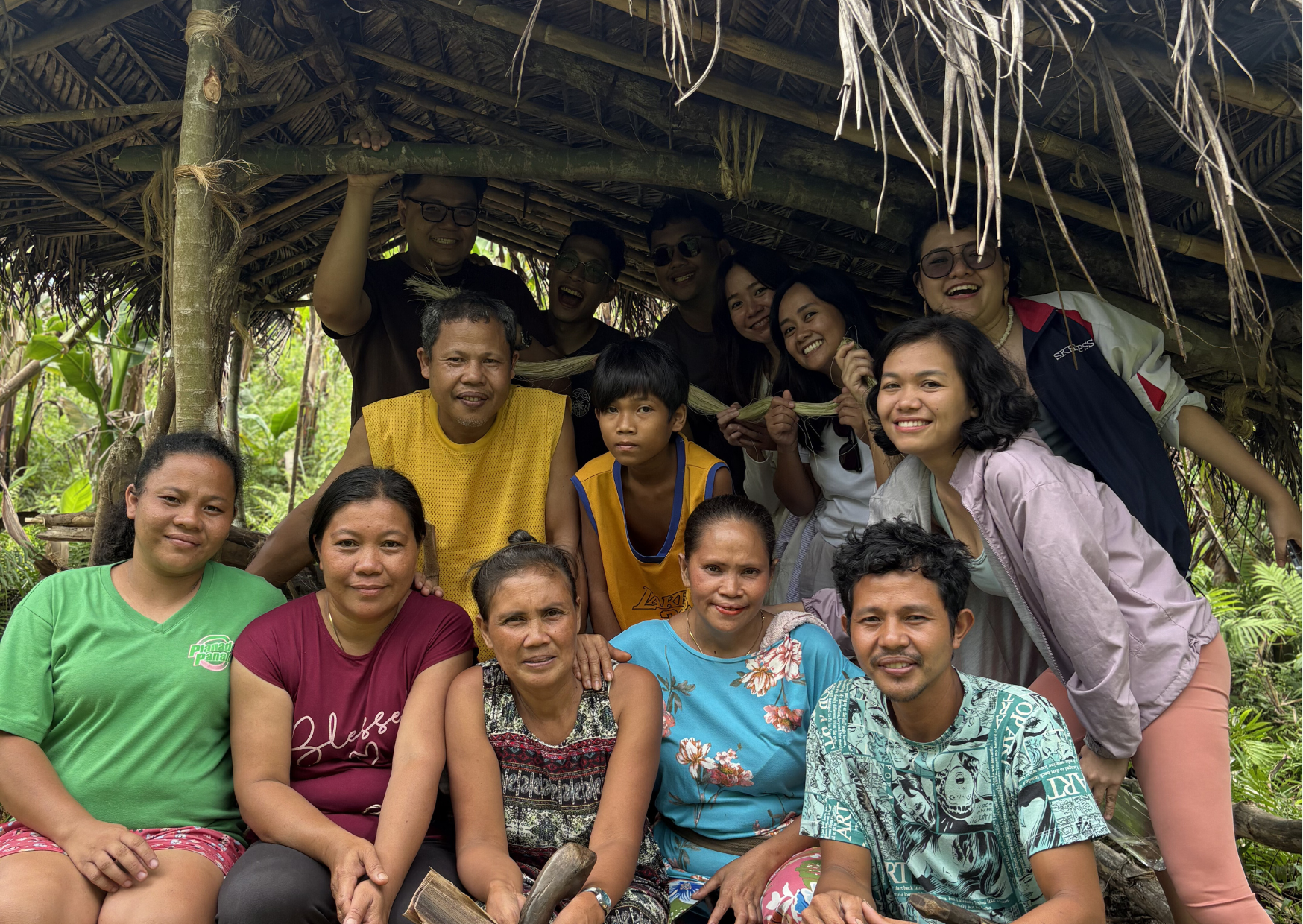
Babayi Founders

Leadership

Babayi was founded by Yani and Mars, disaster responders in Bicol who saw that their communities needed lasting economic pathways, not just emergency aid.

We built Babayi to organize and work alongside abaca farmers, weavers, and home-based artisans, developing market-ready products while strengthening local capacity to create value from their own materials and skills.

Our approach brings together deep cultural knowledge and practical business development. We know these communities, we understand the craft, and we work to connect both to markets in ways that sustain livelihoods and protect the environment.

Partner With Us

For wholesale orders, institutional partnerships, or impact collaboration.

Email bayi.weaves@gmail.com

Phone +63 962 115 3484

Location Bicol Region, Philippines